Description
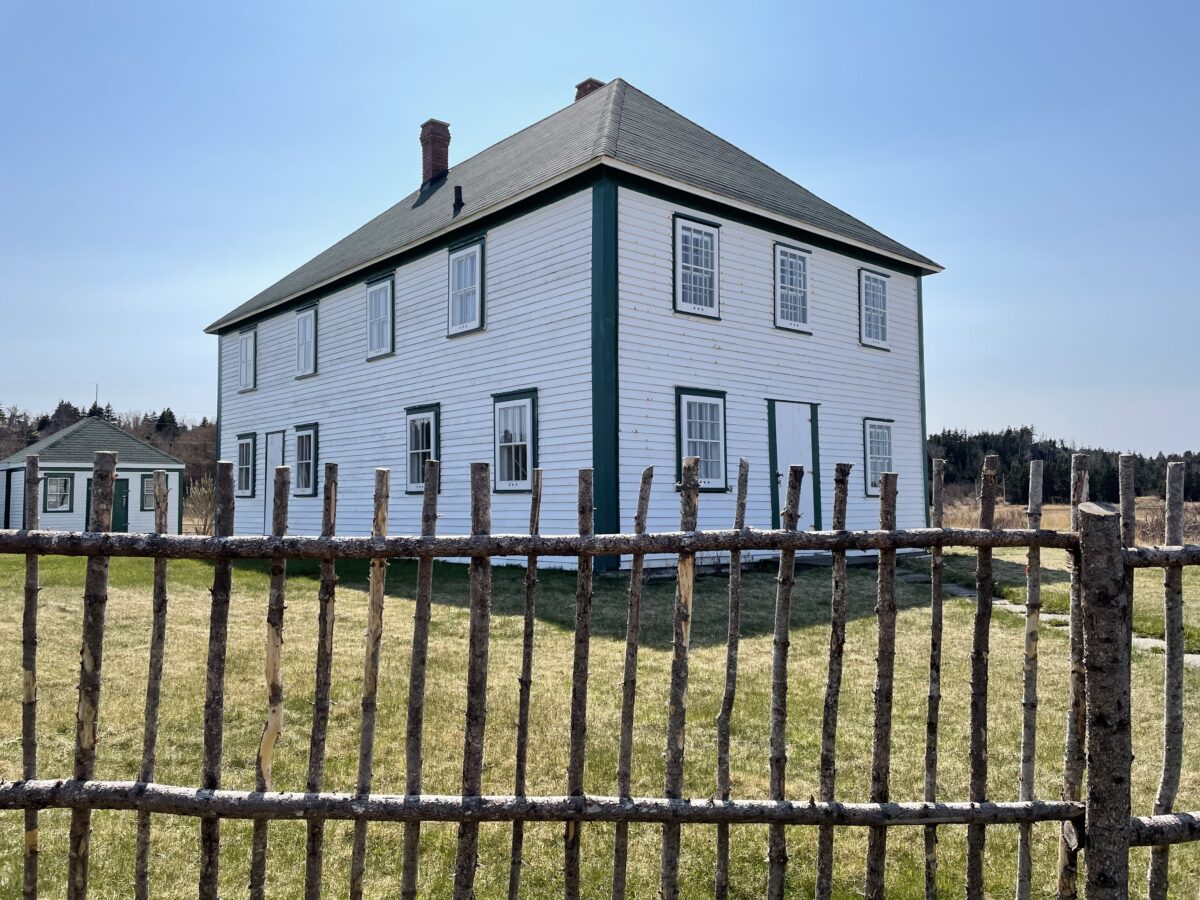
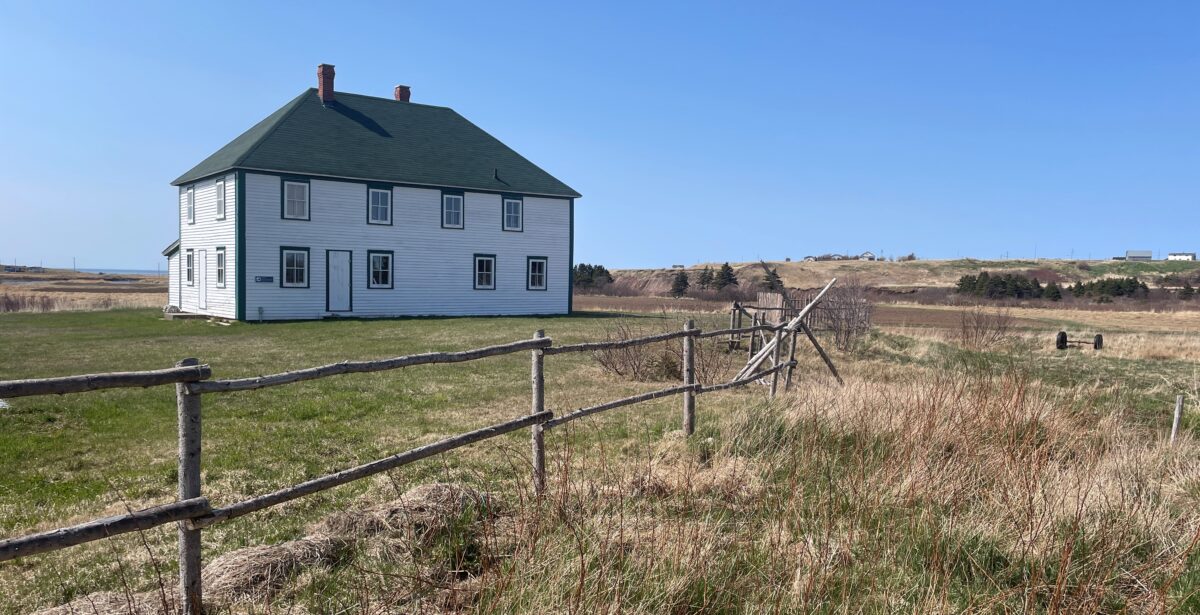
The Legge Homestead is a wooden, two-and-one-half storey house in Cartyville, NL. Built circa 1905, it is a rare example of an early twentieth century farmhouse in the Bay St. George region and indeed in the entire province. The designation is confined to the footprint of the building.
Statement of Significance
Formal Recognition Type
Registered Heritage Structure
Heritage Value
The Legge Homestead was designated a Registered Heritage Structure by the Heritage Foundation of Newfoundland and Labrador in 2013 because of its historic, aesthetic and cultural value.
The Legge Homestead has historic value as it is one of the oldest remaining farmhouses in the Bay St. George region and is a physical example of a way of life that sustained many families and communities in the region. Settled in the early 1800s – by French settlers from Acadia and the Channel Islands, Scottish settlers from Cape Breton and English settlers from the west of England – fishing and small scale farming was once the mainstay of the area. When a branch railway line to the Codroy Valley was built here in the early 1900s the region quickly became a centre of commercial agriculture. The Legge Homestead was constructed around the same time and is an important physical reminder of this period in the community’s and the province’s history.
The house was built by Richard (Dick) Cook circa 1905. Mr. Cook had not long returned from England when he built the house. His father had been born in England and he sent his son there at be educated when he was 11 years old. Around the age of 30, Cook returned to Newfoundland with his English bride and their children and they settled in Cartyville. Mr. Cook was a painter by trade and also worked for a while with the paper mill in Grand Falls, possibly as a draftsman. He built several other houses in Cartyville and was known in the community as a builder. Mr. Cook was the first cousin of Richard Legge, the first owner of the house.
Richard Legge had a farm on the property where the house stands. He also tried fox farming for a period, along with operating a dry goods store and a post office from his home. The Legge Homestead was owned by three generations of the Legge family – father Richard, son Gordon and grandson Eric – all of whom were involved in the agriculture industry.
The Legge Homestead has aesthetic value as an architectural rarity in the Bay St. George region. Its general massing and hip roof give the house a Georgian quality, but it is most certainly vernacular in its design. Considering that it was built in the first decade of the twentieth century, it is a late version of a much earlier house type. Considering that the builder of the house had newly returned from living almost 20 years in England, this might explain why the house has many similarities to English cottage design. The Legge Homestead has further aesthetic value due to its environmental setting. The house lies on a huge tract of flat land along the road leading to Cartyville beach. It is a well-known landmark in the region and is a vital component of its built landscape.
The Legge Homestead has cultural value as a reminder of a particular time and place. The Bay St. George region was, and still is, an agricultural hub in a province known more for its fishing industry than its agricultural industry. The Legge Homestead is a reminder of the importance of farming in this region and of the families who successfully raised animals and grew crops for commercial sale. In a time that has seen a transition to more mechanized farming methods, it is a reminder of the types of early farms that led the way for today’s more modern farming operations.
Source: Heritage Foundation of Newfoundland and Labrador property file “Cartyville – Legge Homestead – FPT 5029”
Character Defining Elements
All those elements of vernacular Georgian style architecture which represent the aesthetic value of the Legge Homestead, including:
-hip hoof;
-two-and-one-half storey construction;
-narrow wood clapboard;
-wooden corner boards;
-wooden window size, style, trim and placement;
-hip dormer placement and style;
-wooden dormer window size and style;
-size, style, trim and placement of wooden exterior doors;
-chimney style and placement;
-location and style of porch on rear façade, and;
-dimensions, location and orientation of building.
Location and History
Community
Cartyville
Municipality
Not specified (Newfoundland)
Civic Address
Beach Road
Construction (circa)
1905 - 1905
Builder
Richard (Dick) Cook
Style
Rectangular Long Façade
Location
Similar Heritage Properties

 Google map
 Legge Homestead Heritage Home Museum Facebook Page