Statement of Significance
Formal Recognition Type
Fisheries Heritage Preservation Program
Notes
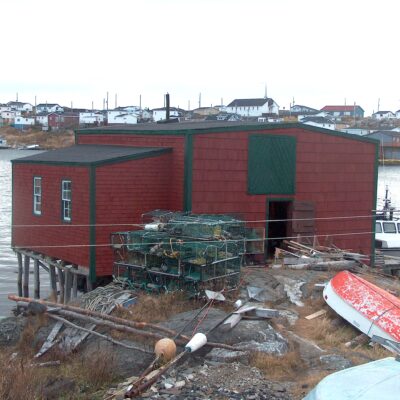
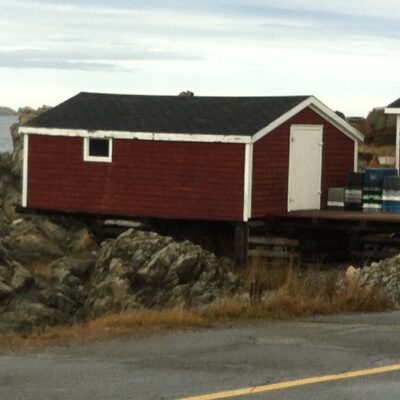
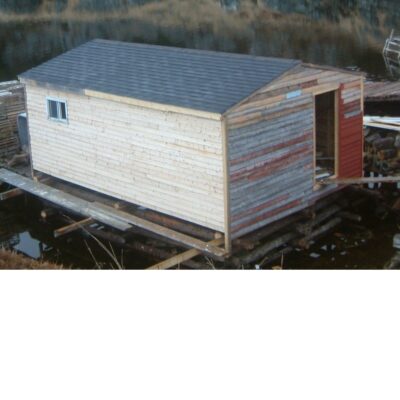
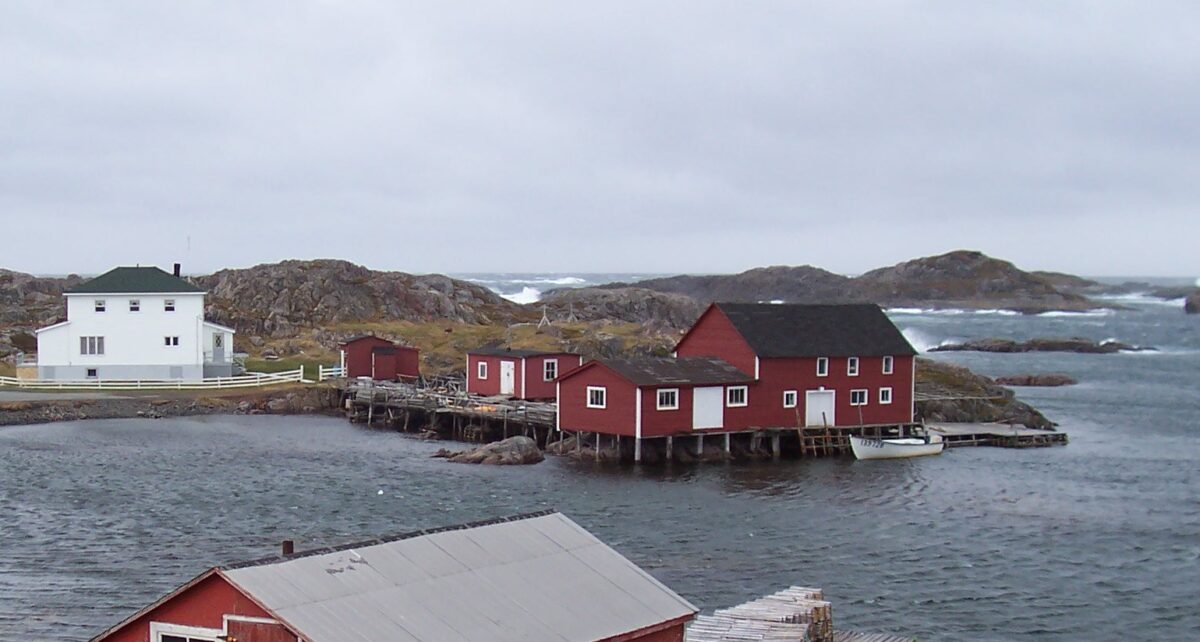
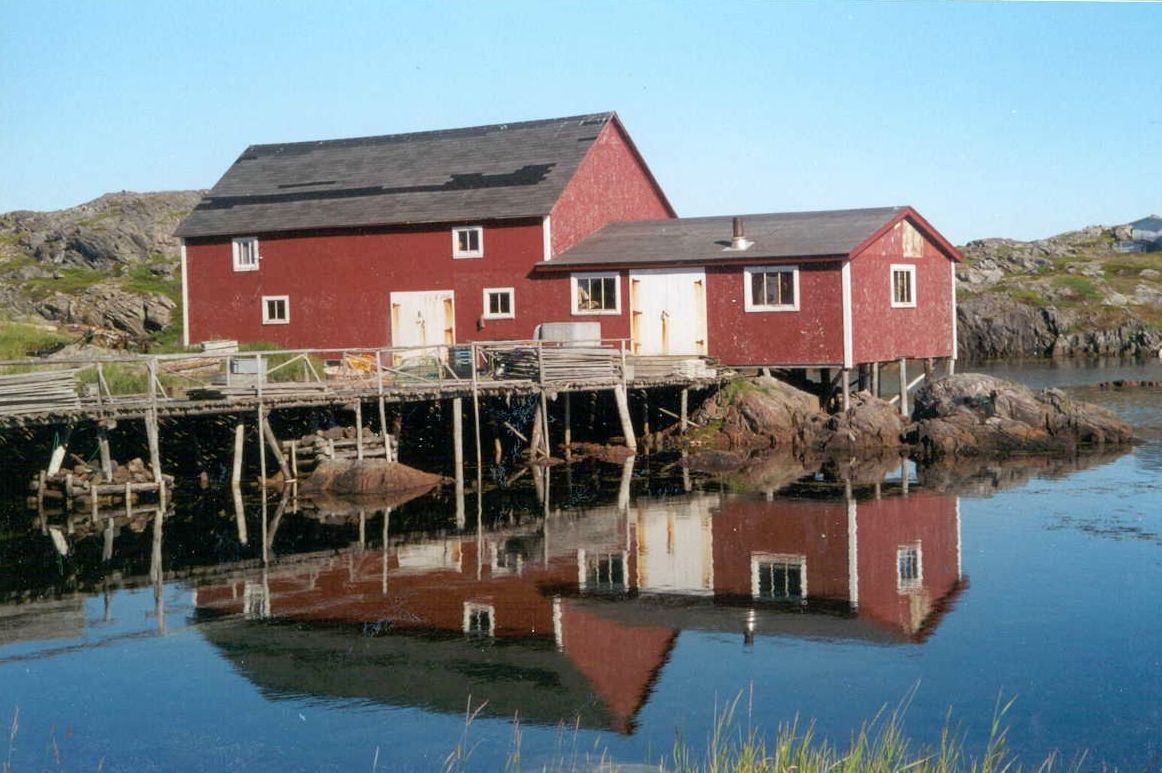
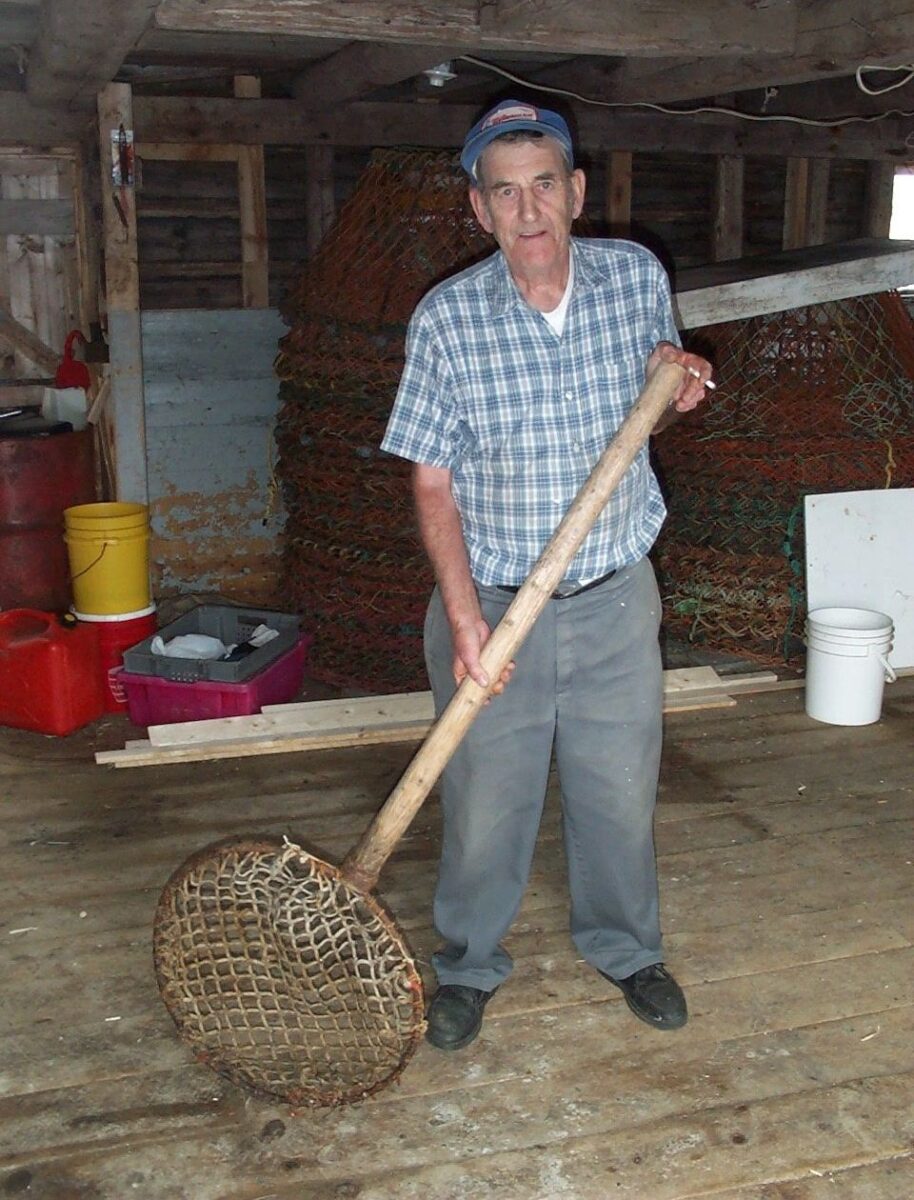
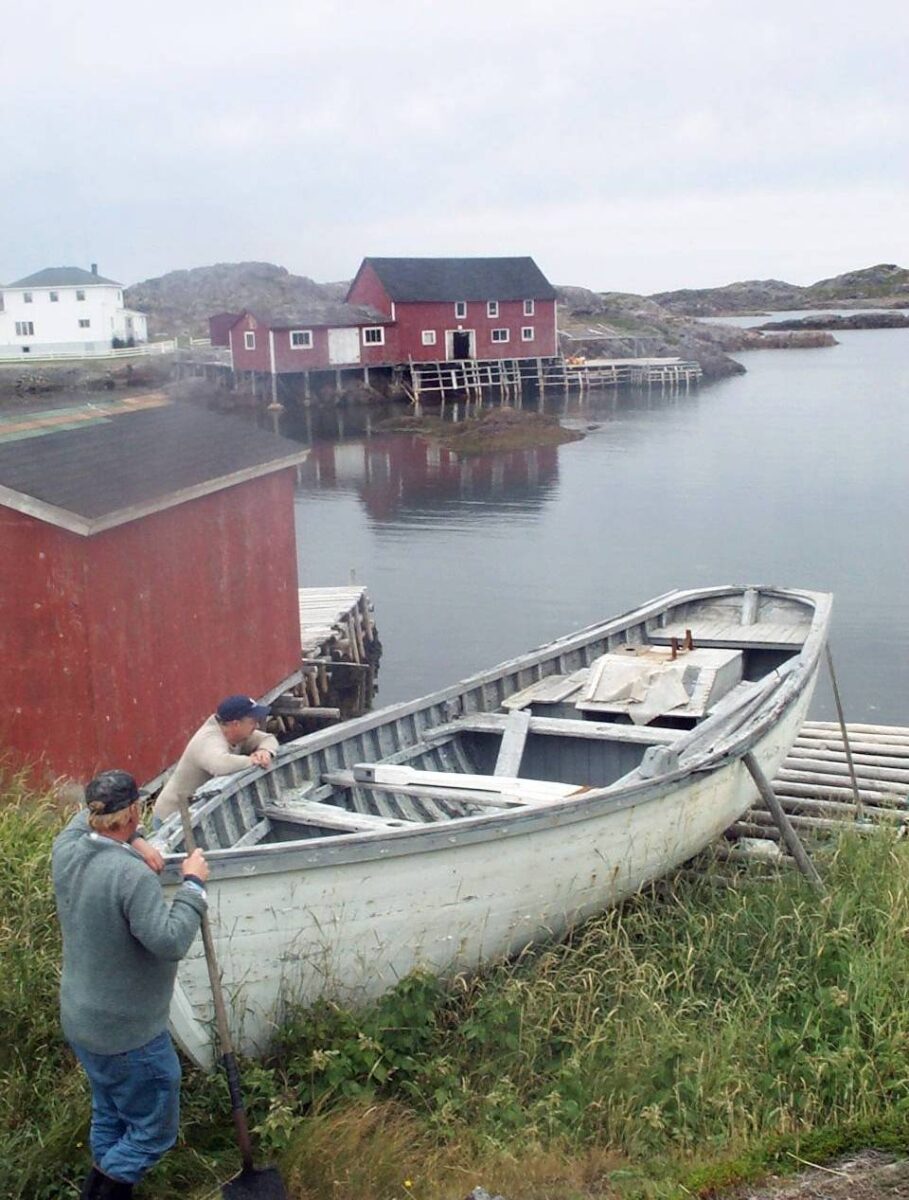
The timber used in the construction of Jim White’s Stage was cut on “The Reach” in the New World Island area. According to Jim’s grandson Bert, the lumber was brought to Change Islands by schooner in the fall of the year. “This stage was built by my grandfather using very large wooden beams that extend out over the water. How he managed to install these beams without any help is beyond me. Jim was an excellent carpenter,” says Bert. The stage was used in the cod, herring, salmon, lobster and sealing fisheries, and for purposes relating to the Labrador schooner fishery. It was passed down to Jim’s son Frank and later to his grandson Bert. Located in a cove known as Seal Harbour, on the northeast end of the North Island of Change Islands, it is the largest stage remaining on the islands. An important feature of the property is the network of flakes associated with the stage. Traditionally used for drying fish, original flakes such as these are very rare. On the stage interior, a peg board once used to tally catches remains on the wall, as do writings on the boards recording the family’s past fishing seasons. The White family still make a living from the sea and Bert’s sons continue to use the stage built by their great-grandfather in the herring, mackerel, squid and crab fisheries. Jim White’s Stage has been well maintained down through the generations. With the assistance of the Fisheries Heritage Preservation Program and the support of Change Islands based Stages and Stores Heritage Foundation, the stage was clad in new clapboard, some trims were replaced and a new coat of paint spruced up the exterior.
Location and History
Community
Change Islands
Municipality
Town of Change Islands
Civic Address
Seal Harbour Road
Construction (circa)
1900 - 1900
Builder
Jim White
Style
Rectangular Long Façade
Location
Similar Heritage Properties

 Google map