Description
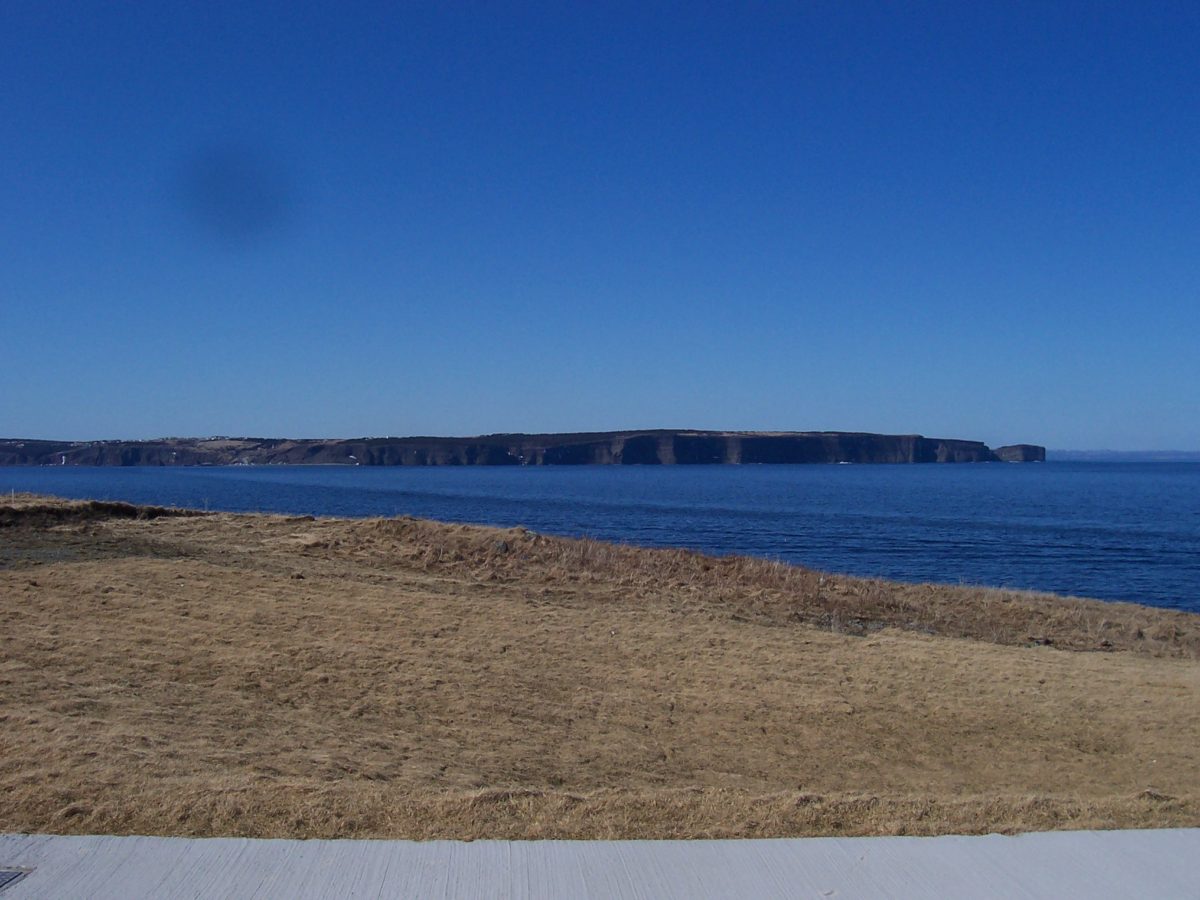
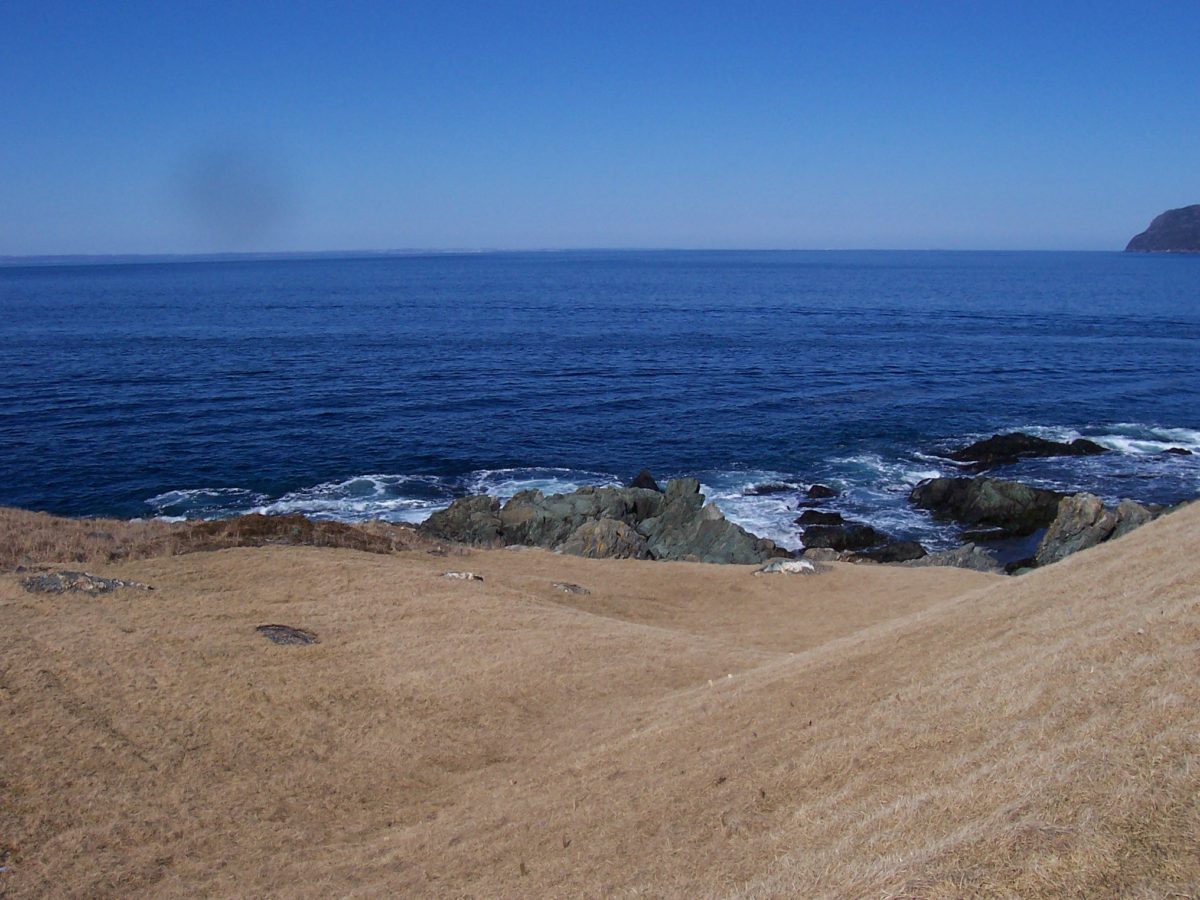
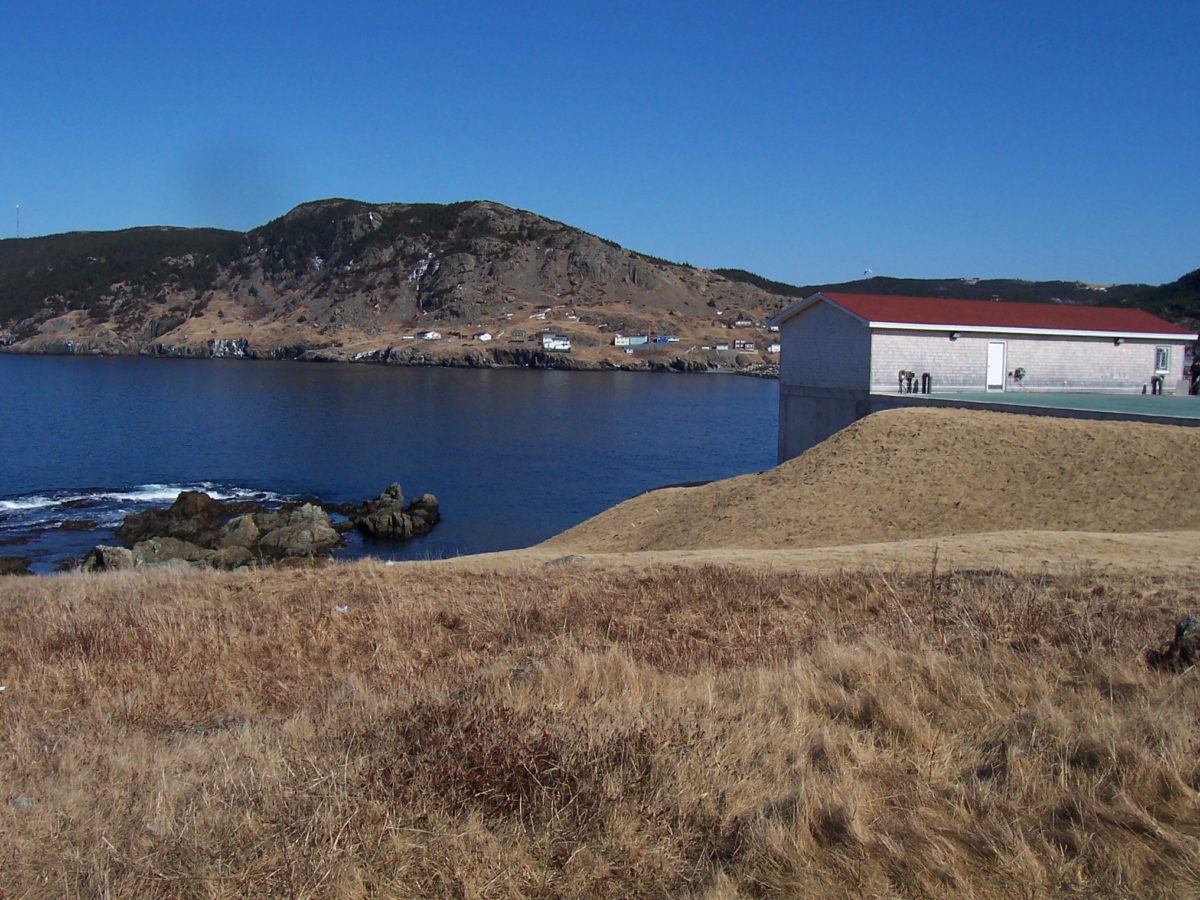
West Point Cemetery is located on a small piece of grassy, sloping coastline at the west end of Portugal Cove, NL. It is located between a housing development and the community’s wastewater treatment facility. The cemetery has also been referred to as Wester Point Cemetery or the Old Burying Ground, and has been assigned Borden #CjAf-08 by the Provincial Archaeology Office of the Government of Newfoundland and Labrador. The cemetery has not been used since the early 19th century. The designation encompasses the entire known cemetery area, the perimeter of which will be outlined with large boulders.
Statement of Significance
Formal Recognition Type
Municipal Heritage Building, Structure or Land
Heritage Value
West Point Cemetery has been designated a municipal heritage site by the Town of Portugal Cove-St. Philip’s because of its historic value.
The cemetery was one of several burial sites for the early settlers of Portugal Cove and dates to a time before churches were established in the community. It was most likely used from about the turn of the nineteenth century up to about 1830, when Church cemeteries became established in the community. Archaeological investigation has revealed that West Point Cemetery held the remains of at least 13 individuals, with a likelihood that it was the resting place for 20 or more. Three Latin-inscribed headstones were visible at the site until around 1970. The Latin writing on the headstones was often mistaken for Portuguese by locals. This fact, along with the name of the community, has lead to a popular local belief that the graves held the remains of early Portuguese sailors.
Archaeological evidence, archival records, and documented oral history suggest that it is more likely that these people were members of the early fishing families who founded the community, and may have been ancestors of families that are still living in the town today. One of the headstones that still remained in the 1970s was in memory of a John Hammond, who died in 1800 at the age of 89. There is a settler John Hammond listed on the 1794 census for Portugal Cove, and it is probable that the other individuals buried at West Point had a similar background to Hammond. Based on memories of local residents, the family names of other people buried there included Hanlon, Neary, Purcell, and Dooley.
In several respects, the cemetery is typical of outport Newfoundland cemeteries prior to established denominational burial grounds. The cemetery’s location and orientation reflect the early settlers’ daily relationship with the sea. It is located on a high, grassy piece of coastal land facing the sea, at a site near former fishing stages and wharves, reflecting the past custom of burying the dead very near living spaces and work areas. As inscribed gravemarkers were a luxury that few could afford at the time, graves were often marked with simple stones markers (often slate), many of which have been lost over time.
Source: Town of Portugal-Cove St. Philip’s Public Council Meeting Motion 08-310 October 21, 2008.
Character Defining Elements
All those elements typical of pre-denominational cemeteries in rural Newfoundland, including:
– relatively small size of cemetery;
– location within community and proximity to the ocean;
– grassy topography;
– in-situ and off-site gravemarkers (simple stones or inscribed stones) associated with the site, and;
– in-situ and off-site burial remains or artifacts associated with the site.
Location and History
Community
Portugal Cove
Municipality
Town of Portugal Cove-St. Philip's
Civic Address
West Point
Construction (circa)
1800 - 1800
Location
Similar Heritage Properties

 Google map
 Website